

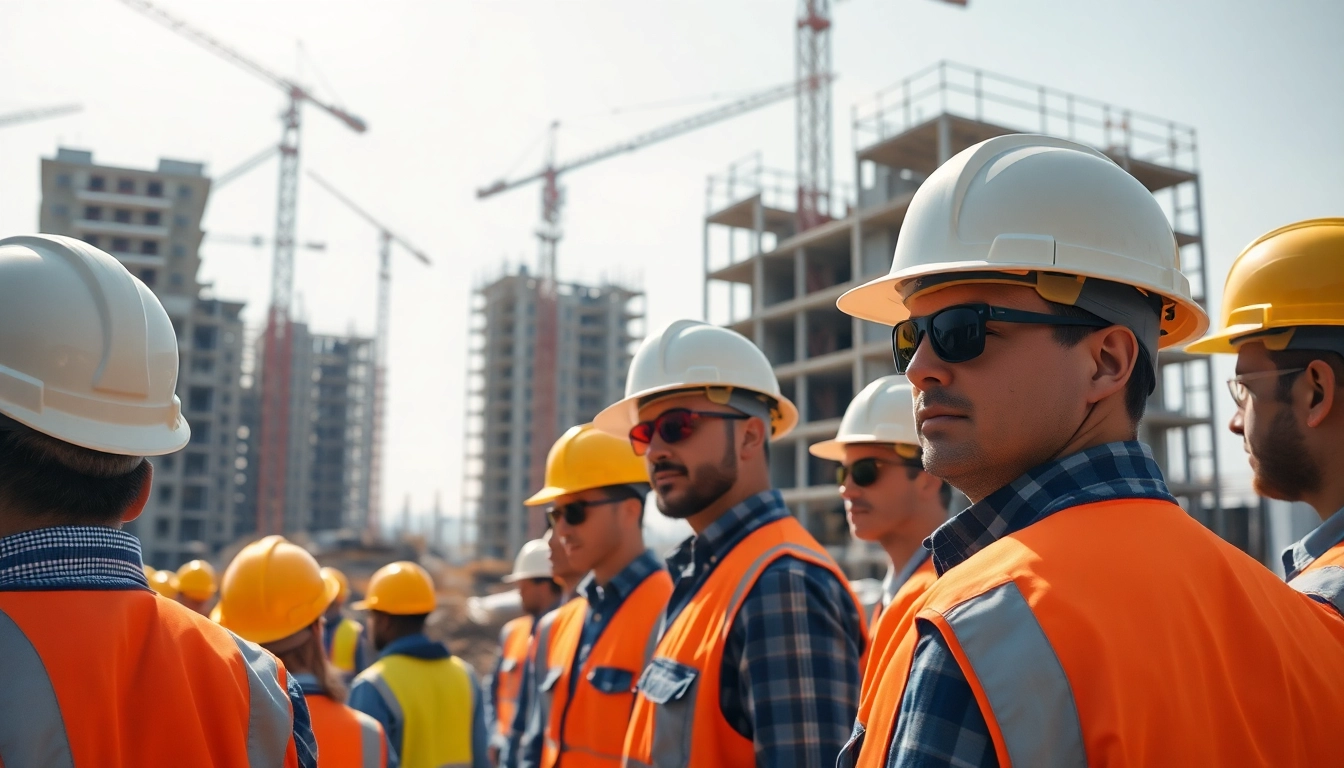
Understanding the Basics of Construction
The construction industry is a complex landscape that encompasses a variety of processes, materials, and disciplines. With a significant impact on the economy and the environment, understanding the basics of construction is essential for anyone involved in or studying this field. The industry is not just about building structures; it includes project management, engineering, architecture, and various trades. Engaging with construction effectively requires a grasp of its fundamental components and challenges.
Key Components of Construction Projects
Construction projects typically consist of several key components that work together to ensure successful project delivery. These components include:
- Design: The initial phase where architects and engineers collaborate to create blueprints and specifications.
- Planning: Establishing timelines, resource allocation, and budgets to guide the project.
- Execution: The actual construction work, involving labor, materials, and equipment.
- Monitoring and Control: Ongoing assessments to ensure the project stays on track with timelines, costs, and quality standards.
- Closure: Completing and delivering the project while ensuring all legal and regulatory requirements are met.
Common Types of Construction
The types of construction can be categorized broadly into three main categories:
- Residential Construction: Involves building and renovating homes, apartments, and condominiums.
- Commercial Construction: Focuses on building infrastructure like offices, hospitals, and shopping centers.
- Industrial Construction: Pertains to the construction of factories, plants, and warehouses, focusing heavily on safety and compliance.
Construction Industry Overview
The global construction industry is a multi-trillion dollar sector that is foundational to the world’s economy. With trends constantly evolving, there is an ongoing shift toward sustainable practices, technological advancements, and regulatory compliance. In recent years, the industry has witnessed a significant move towards green building, promoting sustainability through energy-efficient and environmentally friendly materials and practices.
Planning for Successful Construction
Planning is a critical component of any successful construction project. It sets the stage for the entire project lifecycle and helps to mitigate risks and ensure resource availability.
Essential Project Planning Steps
Effective project planning involves several essential steps:
- Define Clear Objectives: Identify what the project aims to achieve and the desired outcomes.
- Conduct Feasibility Studies: Assess the project’s viability, including cost estimates and potential risks.
- Develop a Structured Timeline: Create a realistic schedule that outlines each phase of the project.
- Resource Allocation: Determine the necessary tools, materials, and personnel required for completion.
- Stakeholder Engagement: Keep all relevant parties informed and involved throughout the process.
Risk Management in Construction
Construction projects inherently face several risks that can affect timelines and budgets. To effectively manage these risks, it is crucial to:
- Identify potential risks early in the planning phase.
- Perform risk assessments to evaluate the probability and impact of risks.
- Develop a risk management plan that outlines mitigation strategies.
- Engage stakeholders in the risk management process for comprehensive awareness.
Budgeting for Construction Projects
Budgeting is another vital aspect that dictates project success. A well-prepared budget accounts for all anticipated costs, from labor to materials. Key budgeting steps include:
- Estimate Costs: Detail material costs, labor costs, equipment rental, and any other expenses.
- Include Contingency Funds: Set aside a portion of the budget as a safeguard against unexpected costs.
- Regular Monitoring: Continuously track expenses against the budget to identify variances early on.
Modern Techniques in Construction
The construction industry is currently experiencing a technological revolution and innovation that greatly enhances efficiency and effectiveness.
Embracing Technology in Construction
Modern construction techniques heavily rely on advanced technologies that improve workflow and communication. Technologies such as BIM (Building Information Modeling) allow for accurate project visualization and can help detect potential conflicts before they occur. Other tools like drones and 3D printing are making significant inroads into construction processes, improving survey accuracy and streamlining material production.
Innovative Materials in Construction
Innovative materials are integral to the evolution of construction standards. The industry is embracing materials that enhance safety, sustainability, and durability. Examples include:
- Self-healing Concrete: Contains bacteria that produce limestone to fill cracks automatically.
- Recycled Steel: Reduces the carbon footprint and offers high-strength construction options.
- Smart Glass: Adjusts energy transmission based on environmental conditions, aiding in energy conservation.
Sustainable Construction Practices
Sustainability in construction has gained significant traction. This approach emphasizes eco-friendly practices through:
- Energy-Efficient Buildings: Utilizing design strategies that reduce energy consumption.
- Use of Renewable Resources: Employing sustainable materials, such as bamboo or reclaimed wood.
- Waste Reduction: Implementing measures for recycling and reusing materials to minimize waste.
Challenges Facing Construction Professionals
Despite the advancements in construction, professionals still face numerous challenges that can impact project success.
Managing Labor Shortages in Construction
The construction industry is grappling with a labor shortage exacerbated by an aging workforce. Strategies to mitigate labor shortages include:
- Investing in training programs to upskill existing workers.
- Promoting careers in construction to younger generations through educational outreach.
- Leveraging technology to maximize productivity with fewer workers.
Navigating Regulatory Issues
Regulations in construction are complex and vary by region, often changing with industry developments. Professionals must stay updated on local codes, permitting processes, and safety regulations to avoid costly delays and legal issues.
Addressing Safety Concerns on the Job Site
Safety is paramount in the construction industry. Implementing a robust safety program that includes training, regular inspections, and adopting safety technologies such as wearable devices can dramatically reduce accidents and enhance worker safety.
Measuring Success in Construction
In the competitive landscape of construction, measuring success goes beyond project completion. It involves evaluating performance metrics and continuous improvements.
Key Performance Indicators for Construction
To assess project success effectively, it’s essential to leverage Key Performance Indicators (KPIs) such as:
- Cost variance: Assessing the difference between budgeted and actual costs.
- Schedule variance: Evaluating the difference between planned and actual timelines.
- Quality metrics: Measuring defects per unit and client satisfaction ratings.
Evaluating Project Outcomes
A thorough evaluation of project outcomes must be conducted once a project is completed. This involves collecting feedback from stakeholders, performing audits, and examining whether objectives were met. Insights drawn from this evaluation can guide future projects.
Continuous Improvement in Construction Operations
Continuous improvement is vital for maintaining competitiveness. Adopting methodologies such as Lean Construction can enhance efficiency by minimizing waste. Regular training sessions and workshops can ensure the workforce keeps pace with industry updates and innovations.
Frequently Asked Questions
What are the main components of a construction project?
The main components include design, planning, execution, monitoring, and closure, each vital for successful project delivery.
What types of construction are there?
Construction can be divided into three categories: residential, commercial, and industrial, each with unique focuses and requirements.
How can risks be managed in construction?
Risks can be managed through risk identification, assessment, planning, and ongoing monitoring, ensuring proactive mitigation strategies are in place.
What innovations are shaping modern construction?
Technological advancements like BIM, drones, and 3D printing, alongside innovative materials, are revolutionizing the construction industry.
How can safety be improved on construction sites?
Enhancing safety can be achieved through training, regular inspections, and the use of advanced safety technologies like wearables.